In a move that has sent shockwaves through the technology sector and effectively redrawn the map of the artificial intelligence industry, Apple (NASDAQ: AAPL) and Google—under its parent company Alphabet (NASDAQ: GOOGL)—announced a historic multi-year partnership on January 12, 2026. This landmark agreement establishes Google’s Gemini 3 architecture as the primary foundation for the next generation of "Apple Intelligence" and the cornerstone of a total overhaul for Siri, Apple’s long-standing virtual assistant.
The deal, valued between $1 billion and $5 billion annually, marks a definitive shift in Apple’s AI strategy. By integrating Gemini’s advanced reasoning capabilities directly into the core of iOS, Apple aims to bridge the functional gap that has persisted since the generative AI explosion began. For Google, the partnership provides an unprecedented distribution channel, cementing its AI stack as the dominant force in the global mobile ecosystem and delivering a significant blow to the momentum of previous Apple partner OpenAI.
Technical Synthesis: Gemini 3 and the "Siri 2.0" Architecture
The partnership is centered on the integration of a custom, 1.2 trillion-parameter variant of the Gemini 3 model, specifically optimized for Apple’s hardware and privacy standards. Unlike previous third-party integrations, such as the initial ChatGPT opt-in, this version of Gemini will operate "invisibly" behind the scenes. It will be the primary reasoning engine for what internal Apple engineers are calling "Siri 2.0," a version of the assistant capable of complex, multi-step task execution that has eluded the platform for over a decade.
This new Siri leverages Gemini’s multimodal capabilities to achieve full "screen awareness," allowing the assistant to see and interact with content across various third-party applications with near-human accuracy. For example, a user could command Siri to "find the flight details in my email and add a reservation at a highly-rated Italian restaurant near the hotel," and the assistant would autonomously navigate Mail, Safari, and Maps to complete the workflow. This level of agentic behavior is supported by a massive leap in "conversational memory," enabling Siri to maintain context over days or weeks of interaction.
To ensure user data remains secure, Apple is not routing information through standard Google Cloud servers. Instead, Gemini models are licensed to run exclusively on Apple’s Private Cloud Compute (PCC) and on-device. This allows Apple to "fine-tune" the model’s weights and safety filters without Google ever gaining access to raw user prompts or personal data. This "privacy-first" technical hurdle was reportedly a major sticking point in negotiations throughout late 2025, eventually solved by a custom virtualization layer developed jointly by the two companies.
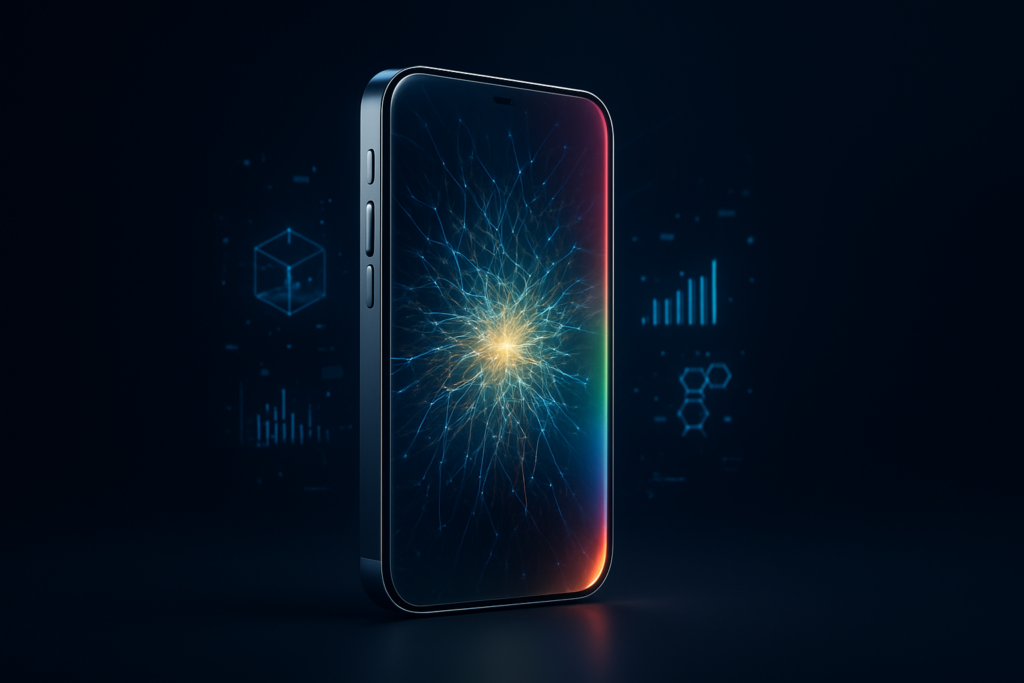
Initial reactions from the AI research community have been largely positive, though some experts express concern over the hardware demands. The overhaul is expected to be a primary driver for the upcoming iPhone 17 Pro, which rumors suggest will feature a standardized 12GB of RAM and an A19 chip redesigned with 40% higher AI throughput specifically to accommodate Gemini’s local processing requirements.
The Strategic Fallout: OpenAI’s Displacement and Alphabet’s Dominance
The strategic implications of this deal are most severe for OpenAI. While ChatGPT will remain an "opt-in" choice for specific world-knowledge queries, it has been relegated to a secondary, niche role within the Apple ecosystem. This shift marks a dramatic cooling of the relationship that began in 2024. Industry insiders suggest the rift widened in late 2025 when OpenAI began developing its own "AI hardware" in collaboration with former Apple design chief Jony Ive—a project Apple viewed as a direct competitive threat to the iPhone.
For Alphabet, the deal is a monumental victory. Following the announcement, Alphabet’s market valuation briefly touched the $4 trillion mark, as investors viewed the partnership as a validation of Google’s AI superiority over its rivals. By securing the primary spot on billions of iOS devices, Google effectively outmaneuvered Microsoft (NASDAQ: MSFT), which has heavily funded OpenAI in hopes of gaining a similar foothold in mobile. The agreement creates a formidable "duopoly" in mobile AI, where Google now powers the intelligence layers of both Android and iOS.
Furthermore, this partnership provides Google with a massive scale advantage. With the Gemini user base expected to surge past 1 billion active users following the iOS rollout, the company will have access to a feedback loop of unprecedented size for refining its models. This scale makes it increasingly difficult for smaller AI startups to compete in the general-purpose assistant market, as they lack the deep integration and hardware-software optimization that the Apple-Google alliance now commands.
Redefining the Landscape: Privacy, Power, and the New AI Normal
This partnership fits into a broader trend of "pragmatic consolidation" in the AI space. As the costs of training frontier models like Gemini 3 continue to skyrocket into the billions, even tech giants like Apple are finding it more efficient to license external foundational models than to build them entirely from scratch. This move acknowledges that while Apple excels at hardware and user interface, Google currently leads in the raw "cognitive" capabilities of its neural networks.
However, the deal has not escaped criticism. Privacy advocates have raised concerns about the long-term implications of two of the world’s most powerful data-collecting entities sharing core infrastructure. While Apple’s PCC architecture provides a buffer, the concentration of AI power remains a point of contention. Figures such as Elon Musk have already labeled the deal an "unreasonable concentration of power," and the partnership is expected to face intense scrutiny from European and U.S. antitrust regulators who are already wary of Google’s dominance in search and mobile operating systems.
Comparing this to previous milestones, such as the 2003 deal that made Google the default search engine for Safari, the Gemini partnership represents a much deeper level of integration. While a search engine is a portal to the web, a foundational AI model is the "brain" of the operating system itself. This transition signifies that we have moved from the "Search Era" into the "Intelligence Era," where the value lies not just in finding information, but in the autonomous execution of digital life.
The Horizon: iPhone 17 and the Age of Agentic AI
Looking ahead, the near-term focus will be the phased rollout of these features, starting with iOS 26.4 in the spring of 2026. Experts predict that the first "killer app" for this new intelligence will be proactive personalization—where the phone anticipates user needs based on calendar events, health data, and real-time location, executing tasks before the user even asks.
The long-term challenge will be managing the energy and hardware costs of such sophisticated models. As Gemini becomes more deeply embedded, the "AI-driven upgrade cycle" will become the new norm for the smartphone industry. Analysts predict that by 2027, the gap between "AI-native" phones and legacy devices will be so vast that the traditional four-to-five-year smartphone lifecycle may shrink as consumers chase the latest processing capabilities required for next-generation agents.
There is also the question of Apple's in-house "Ajax" models. While Gemini is the primary foundation for now, Apple continues to invest heavily in its own research. The current partnership may serve as a "bridge strategy," allowing Apple to satisfy consumer demand for high-end AI today while it works to eventually replace Google with its own proprietary models in the late 2020s.
Conclusion: A New Era for Consumer Technology
The Apple-Google partnership represents a watershed moment in the history of artificial intelligence. By choosing Gemini as the primary engine for Apple Intelligence, Apple has prioritized performance and speed-to-market over its traditional "not-invented-here" philosophy. This move solidifies Google’s position as the premier provider of foundational AI, while providing Apple with the tools it needs to finally modernize Siri and defend its premium hardware margins.
The key takeaway is the clear shift toward a unified, agent-driven mobile experience. The coming months will be defined by how well Apple can balance its privacy promises with the massive data requirements of Gemini 3. For the tech industry at large, the message is clear: the era of the "siloed" smartphone is over, replaced by an integrated, AI-first ecosystem where collaboration between giants is the only way to meet the escalating demands of the modern consumer.
This content is intended for informational purposes only and represents analysis of current AI developments as of January 16, 2026.
TokenRing AI delivers enterprise-grade solutions for multi-agent AI workflow orchestration, AI-powered development tools, and seamless remote collaboration platforms.
For more information, visit https://www.tokenring.ai/.