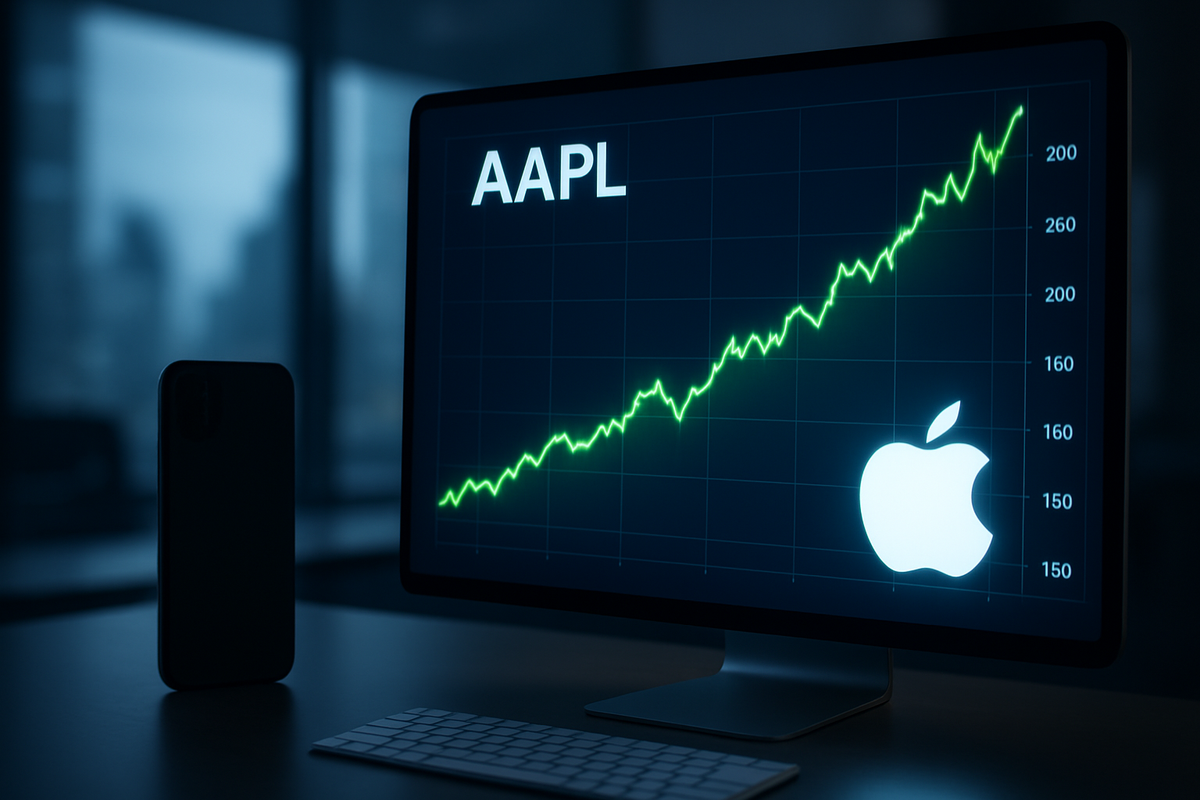
In a high-stakes moment for the technology sector, Apple (NASDAQ: AAPL) delivered a resounding rebuke to skeptics on January 29, 2026, reporting record-breaking results for its holiday quarter. While the company’s stock has spent much of the past year acting as a significant weight on the S&P 500 (INDEXSP: .INX), the latest figures suggest a powerful fundamental turnaround. Apple posted a staggering $143.8 billion in revenue, a 16% year-over-year increase that handily cleared the $138.5 billion consensus among Wall Street analysts, signaling that the "iPhone 17 supercycle" is not just a theory, but a market-altering reality.
The immediate implications of this earnings beat have been felt across the global markets. Following a month of volatility where Apple’s share price had retreated by nearly 5% due to concerns over AI monetization and sluggish hardware sales, the after-hours surge of over 6% has provided a critical floor for the broader indices. For investors, the report serves as a vital signal that the world’s largest consumer electronics brand has finally synchronized its hardware innovation with its nascent "Apple Intelligence" AI software, potentially ending a period of relative stagnation that saw Apple trail the S&P 500’s gains for most of 2025.
Reversing the Narrative: A Detailed Look at the Numbers
The January 29 report, covering the final calendar quarter of 2025, revealed that Apple’s earnings per share (EPS) hit an all-time record of $2.84, significantly outpacing the $2.67 expected by the market. The primary engine of this growth was the iPhone 17 Pro and Pro Max series, which generated $85.3 billion in revenue—a 23% jump from the previous year. This performance was bolstered by a surprising and massive resurgence in Greater China, where revenue hit $25.53 billion, up 38% year-over-year, effectively silencing critics who argued that domestic competitors like Huawei were permanently eroding Apple’s market share in the region.
The timeline leading up to this earnings release was fraught with uncertainty. Throughout 2025, Apple (NASDAQ: AAPL) faced a narrative of being "late to the AI party" compared to rivals like Microsoft (NASDAQ: MSFT) and Alphabet (NASDAQ: GOOGL). While the S&P 500 soared 16.4% in 2025, Apple managed only a modest 10% gain, frequently dragging down the market-cap-weighted index on days of tech-sector cooling. However, the internal focus at Apple Park remained on the seamless integration of its proprietary "Apple Intelligence" models, which only began shipping in full capacity with the late 2025 software updates.
Key stakeholders, including CEO Tim Cook and CFO Luca Maestri, highlighted that the company’s Services division also reached a new milestone of $30.01 billion, a 14% increase. This recurring revenue stream has become the bedrock of Apple's valuation, providing a high-margin cushion even when hardware cycles fluctuate. Market reaction was swift; as major tech peers like Tesla (NASDAQ: TSLA) and Microsoft faced their own hurdles in the same earnings week, Apple emerged as the "stabilizer," dragging the Nasdaq-100 (INDEXNASDAQ: NDX) back into positive territory in late-night trading sessions.
Ecosystem Impact: Winners and Losers in the Wake of the Beat
The ripple effects of Apple's performance create a clear map of winners and losers across the global tech landscape. Among the primary winners are Apple’s key semiconductor and assembly partners. Taiwan Semiconductor Manufacturing Co. (NYSE: TSM), which produces the advanced A19 chips found in the iPhone 17, is expected to see a boost in order volume as Apple prepares for a higher-than-expected Q2 production run. Similarly, suppliers like Broadcom (NASDAQ: AVGO) and Skyworks Solutions (NASDAQ: SWKS) stand to benefit from the increased complexity and higher component prices associated with Apple’s AI-focused hardware.
On the other side of the ledger, direct competitors in the premium smartphone space may face renewed pressure. Samsung (OTC: SSNLF), which has been aggressive in marketing its own AI-integrated Galaxy devices, now faces a rejuvenated Apple that has successfully re-engaged the critical Chinese consumer base. Furthermore, the broader "Big Tech" cohort may find themselves under increased scrutiny. While Apple (NASDAQ: AAPL) proved it could monetize AI through hardware upgrades and high-margin services, other companies still struggling to show a direct return on their massive AI infrastructure investments may see their valuations questioned by comparison.
The Edge AI Era: Analyzing the Broader Significance
Apple’s blockbuster quarter is more than just a win for a single company; it represents a broader shift in the tech industry’s AI narrative. For nearly two years, the market’s obsession with AI was centered on the "plumbing"—the data centers and GPUs provided by the likes of NVIDIA (NASDAQ: NVDA). Apple's results suggest that the industry is entering a new phase: the "Edge AI" era, where the value of artificial intelligence is realized by billions of consumers through their personal devices rather than just through corporate cloud contracts.
Historically, Apple has a track record of waiting for a technology to mature before integrating it into a seamless ecosystem—a strategy that often leads to "underperformance" in the eyes of momentum traders followed by massive "catch-up" growth. This current cycle mirrors the transition to 5G with the iPhone 12, where Apple initially trailed the hype but eventually dominated the transition. Regulatory-wise, the success in China is particularly significant, as it suggests Apple has successfully navigated the complex geopolitical landscape and local compliance requirements that have hampered other U.S. firms.
What’s Next: Strategic Pivots and the 2026 Outlook
Looking ahead, Apple’s strategic pivot toward a more integrated AI ecosystem will likely define its 2026. Management has provided optimistic guidance for the upcoming fiscal second quarter, projecting 13–16% revenue growth and gross margins as high as 49%. Short-term, the market will be watching for the launch of the rumored "iPhone Air" or a cheaper entry into the Vision Pro ecosystem, which could expand the company's hardware footprint beyond its currently Pro-heavy sales mix.
However, challenges remain. The long-term impact of the Digital Markets Act in Europe and ongoing antitrust scrutiny in the United States could force Apple to further open its "walled garden" (the App Store and Services ecosystem), potentially threatening the high-margin growth of its Services segment. Additionally, while the China recovery is currently strong, the volatility of US-China trade relations remains a persistent "black swan" risk that investors must weigh against the company’s current hardware dominance.
Market Summary: Apple Reclaims the Anchor Position
The key takeaway from Apple’s (NASDAQ: AAPL) latest earnings is the reaffirmation of its ecosystem's resilience. Despite a year where the stock acted as a drag on the S&P 500 and critics lamented a lack of innovation, the company proved that its "installed base" of over 2.2 billion active devices remains the most lucrative platform in the world. By successfully launching the iPhone 17 supercycle and stabilizing its position in China, Apple has reasserted its role as the market's indispensable anchor.
Moving forward, investors should monitor the continued growth of the Services sector and the adoption rates of "Apple Intelligence" features as they roll out to more regions and languages. While the broader market may remain volatile in 2026, Apple has demonstrated that its fundamental engine is firing on all cylinders. The transition from a hardware-reliant manufacturer to a diversified AI-services powerhouse is well underway, and for now, the "weight" on the S&P 500 has once again become its most powerful engine.
This content is intended for informational purposes only and is not financial advice.