The retail sector in late 2025 finds itself at a critical juncture, navigating a complex economic environment marked by persistent inflation, elevated interest rates, and a softening labor market. While consumer spending remains a cornerstone of economic activity, current trends paint a nuanced picture of resilience in certain segments alongside growing caution and a notable shift in consumer priorities. This dichotomy offers mixed signals regarding the underlying strength of the economy, challenging retailers to adapt swiftly to evolving purchasing behaviors.
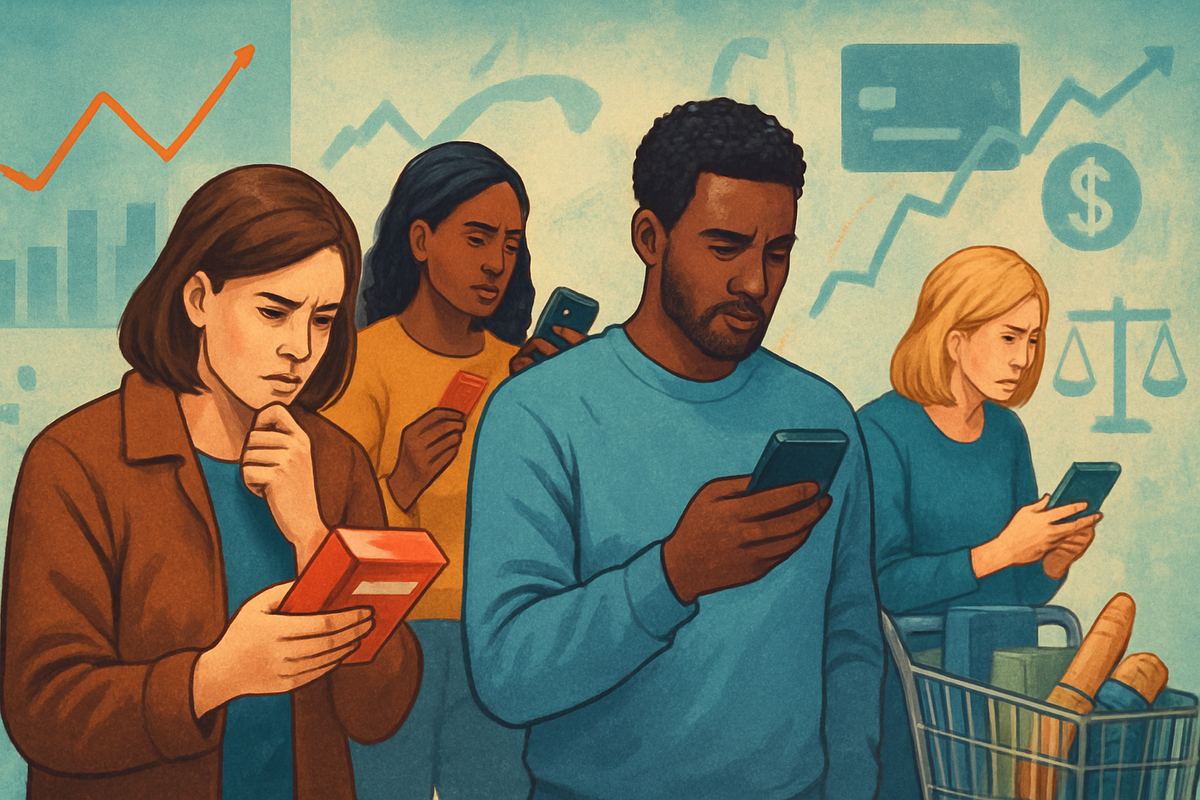
Consumers are increasingly prioritizing essential goods and services, leading to a deceleration in discretionary spending intentions. This pivot towards value-seeking behavior, coupled with declining personal savings and rising credit utilization, suggests that while spending continues, it is often underpinned by a more constrained financial reality for many households. The immediate implication for the retail industry is a heightened focus on competitive pricing, strategic promotions, and an agile omnichannel approach to meet the demands of an increasingly discerning and budget-conscious consumer base.
A Shifting Landscape: Unpacking the Dynamics of Consumer Behavior
The year 2025 has been characterized by a gradual but significant recalibration of consumer behavior, directly impacting the retail landscape. A primary driver of this shift has been the persistent pressure of inflation, which, despite some moderation, has become an accepted "new normal" for nearly half of US consumers. This has led to a widespread adoption of value-seeking strategies, with shoppers actively trading down to more affordable brands, leveraging coupons, and increasingly frequenting discount retailers. The delay of non-essential purchases and a growing interest in second-hand items further underscore this trend.
The timeline of these events shows a progressive tightening of household budgets. Throughout late 2024 and into 2025, personal savings rates steadily declined, reaching some of their lowest levels, while consumer credit utilization simultaneously rose, particularly among middle-income households. This indicates a reliance on credit to maintain spending levels, a trend that, if sustained, points to underlying financial strain. Consumer confidence, as measured by indices like The Conference Board's Expectations Index, has largely trended downwards throughout 2025, consistently signaling potential recessionary pressures. However, a fascinating disconnect exists between this sentiment and actual spending data, with "hard data" often showing more resilience than consumer surveys suggest. Key players in this evolving scenario include major retail corporations (e.g., Walmart (NYSE: WMT), Target (NYSE: TGT), Amazon (NASDAQ: AMZN)) grappling with inventory management and pricing strategies, as well as financial institutions observing shifts in consumer debt and savings patterns. Initial market reactions have been cautious, with investors closely scrutinizing retail earnings reports for signs of sustained consumer demand or further weakening. The emphasis has shifted from growth at all costs to profitability and efficient capital allocation, reflecting the challenging environment.
Winners and Losers in a Tightening Market
The current economic climate is creating a clear delineation between retail winners and losers, largely based on their ability to adapt to evolving consumer priorities and economic pressures. Companies specializing in essential goods and services or offering strong value propositions are generally positioned to thrive. Grocers like Kroger (NYSE: KR) and discount retailers such as Dollar General (NYSE: DG) or TJX Companies (NYSE: TJX), parent company of TJ Maxx and Marshalls, are likely to see sustained demand as consumers prioritize necessities and seek out bargains. Their business models are inherently more resilient during periods of economic uncertainty, benefiting from increased foot traffic and consistent purchasing patterns. Furthermore, retailers that have invested heavily in omnichannel capabilities, offering seamless integration between online and in-store experiences, are also poised for success. Companies like Target (NYSE: TGT), with its robust curbside pickup and in-store return options, are better equipped to capture sales from convenience-seeking consumers.
Conversely, retailers heavily reliant on discretionary spending, particularly in categories like high-end apparel, electronics, and home improvement, face significant headwinds. Companies such as Best Buy (NYSE: BBY) or Home Depot (NYSE: HD) may experience reduced sales volumes as consumers delay or forego larger, non-essential purchases. While some luxury segments may be buffered by affluent consumers, the broader trend points to a contraction in spending on big-ticket items. Businesses with high operating costs, poor inventory management, or a lack of clear value proposition are also vulnerable. Increased promotional activity, while necessary to clear inventory, can erode profit margins, further stressing companies already struggling with reduced demand. The softening labor market and rising interest rates also impact retailers' ability to borrow and invest, potentially slowing expansion plans or necessary technological upgrades for those with weaker balance sheets.
Broader Implications and Historical Context
The current state of consumer spending and its impact on the retail sector are not isolated events but rather fit into broader economic and industry trends. Globally, retailers are grappling with persistent supply chain challenges, geopolitical tensions, and rising tariffs, all of which contribute to increased operational costs and potential inflationary pressures on goods. The shift towards value-seeking and experiences over material possessions is a significant long-term trend, accelerated by recent economic conditions. This means retailers must not only compete on price but also on the overall customer experience and the perceived utility or joy derived from a purchase. The continued blurring of online and offline retail, driven by the omnichannel imperative, is forcing companies to re-evaluate their entire sales and marketing strategies, ensuring a cohesive and convenient customer journey across all touchpoints.
The potential ripple effects extend beyond direct competitors to partners across the supply chain, including logistics providers, manufacturers, and advertising agencies. A slowdown in retail sales can lead to reduced orders for manufacturers, lower shipping volumes for logistics companies, and decreased advertising spend as brands tighten their budgets. Regulatory or policy implications could arise if consumer debt levels become a significant concern, potentially leading to increased scrutiny of lending practices or new consumer protection measures. Historically, periods of high inflation and economic uncertainty have consistently driven consumers towards more conservative spending habits. Comparisons can be drawn to recessions in the early 2000s or the 2008 financial crisis, where discount retailers and essential goods providers often outperformed, while luxury and highly discretionary segments struggled. The "lipstick effect," where consumers indulge in small, affordable luxuries during tough times, is also a historical precedent that appears to be playing out again, albeit with a broader range of "small indulgences" beyond traditional beauty products.
The Road Ahead: Navigating the Evolving Retail Landscape
Looking ahead, the retail sector faces a dynamic period with both significant challenges and emerging opportunities. In the short term, retailers will likely intensify their focus on strategic promotions and inventory optimization to manage demand fluctuations and protect margins. The upcoming holiday seasons will be a critical test, revealing the true depth of consumer resilience and willingness to spend. Companies that can effectively leverage data analytics and artificial intelligence to personalize offerings and streamline operations will gain a competitive edge. The emphasis on providing clear value, whether through price, quality, or unique customer experiences, will be paramount.
Long-term possibilities suggest a continued evolution of the retail model, moving further towards integrated digital and physical experiences. Investments in sustainable practices and ethical sourcing may also become more critical, as younger generations of consumers increasingly factor these aspects into their purchasing decisions. Potential strategic pivots include diversification into services, subscription models, or even second-hand markets, as companies seek new revenue streams and align with changing consumer values. Market opportunities may emerge for innovative direct-to-consumer (DTC) brands that can offer niche products with strong brand narratives at competitive price points. Conversely, challenges will persist for traditional brick-and-mortar stores that fail to adapt to the omnichannel imperative or differentiate themselves beyond mere product offerings. Potential scenarios range from a gradual recovery in consumer confidence and spending, supported by moderating inflation and a stable labor market, to a more prolonged period of cautious spending if economic headwinds intensify. Retailers must remain agile, ready to adapt to either scenario by maintaining flexible supply chains and robust financial health.
A Prudent Path Forward for Retail
The current assessment of consumer spending resilience paints a complex but clear picture for the retail sector: adaptability and strategic foresight are no longer optional but essential for survival and growth. While pockets of resilience, particularly in essential goods and select experiential spending, offer some solace, the overarching trend points towards a more cautious, value-driven consumer. Key takeaways include the critical importance of omnichannel integration, meticulous inventory management, and a nuanced understanding of diverse generational spending habits. Retailers who can effectively balance competitive pricing with compelling customer experiences will be best positioned to navigate the ongoing economic headwinds.
Moving forward, the market will continue to be a battleground for consumer dollars, with success favoring those who can demonstrate agility and a deep understanding of their target audience. Investors should closely watch several key indicators in the coming months: the trajectory of inflation and interest rates, consumer confidence indices (paying attention to both sentiment and actual spending data), and the earnings reports of major retailers, particularly their guidance for future quarters. Furthermore, shifts in discretionary spending patterns, especially during peak shopping seasons, will provide crucial insights into the underlying health of the economy. The lasting impact of this period will likely be a more efficient, customer-centric, and digitally integrated retail landscape, where value, convenience, and authenticity reign supreme.
This content is intended for informational purposes only and is not financial advice