Singapore - February 23, 2026 - As conversations around children's screen time intensify in Singapore, more parents are reassessing how digital devices are introduced in the early years. While coding and digital literacy remain important future skills, families are increasingly seeking approaches that reduce overexposure to screens while still building strong thinking foundations.
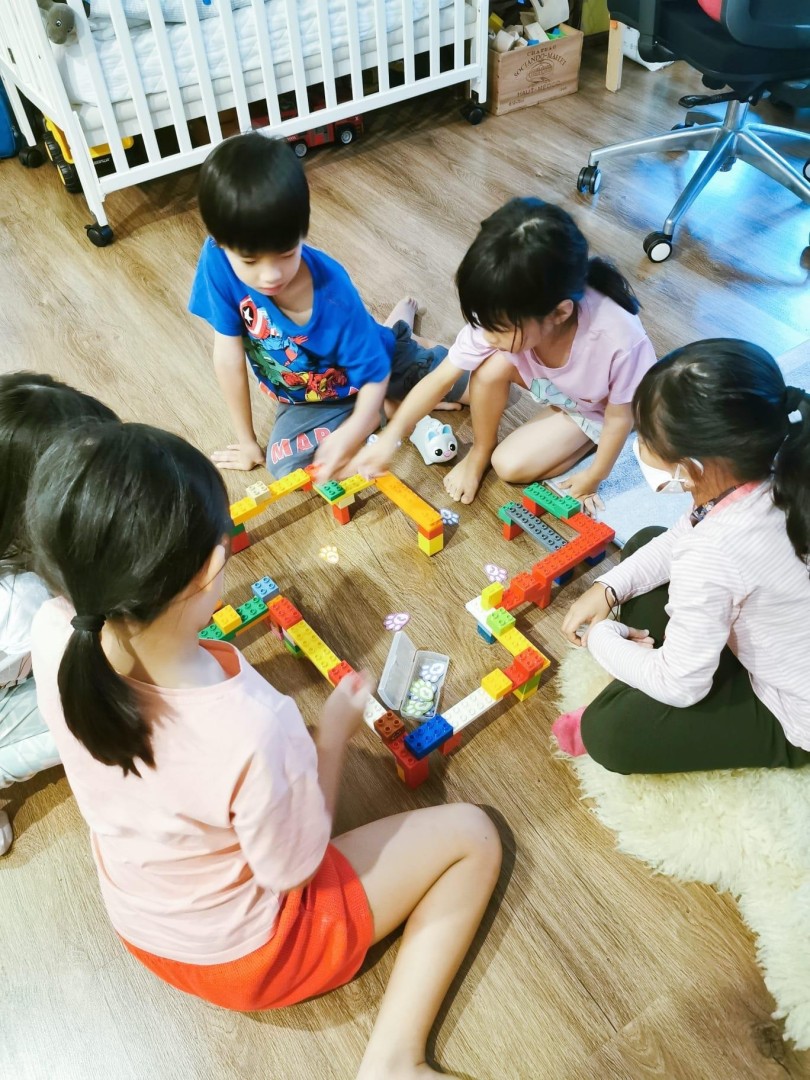
This shift has renewed interest in screenless coding, an unplugged approach that introduces computational thinking through play and hands-on activities. Hommeet is championing this approach through small-group, home-based learning sessions, while offering a blended screenless-and-screen coding model for older children.
Starting With Thinking, Not Screens
In Hommeet's preschool programmes, children learn key coding concepts — such as sequencing, logic, loops and debugging — without computers or tablets. Lessons are designed around storytelling, games and physical activities that help children understand how instructions work in a concrete and engaging way.
Simple activities like the "Simon Says" game and role-play scenarios are used to teach children how to give clear, step-by-step instructions and recognise mistakes. These experiences mirror how computers follow commands, while remaining playful and age-appropriate.
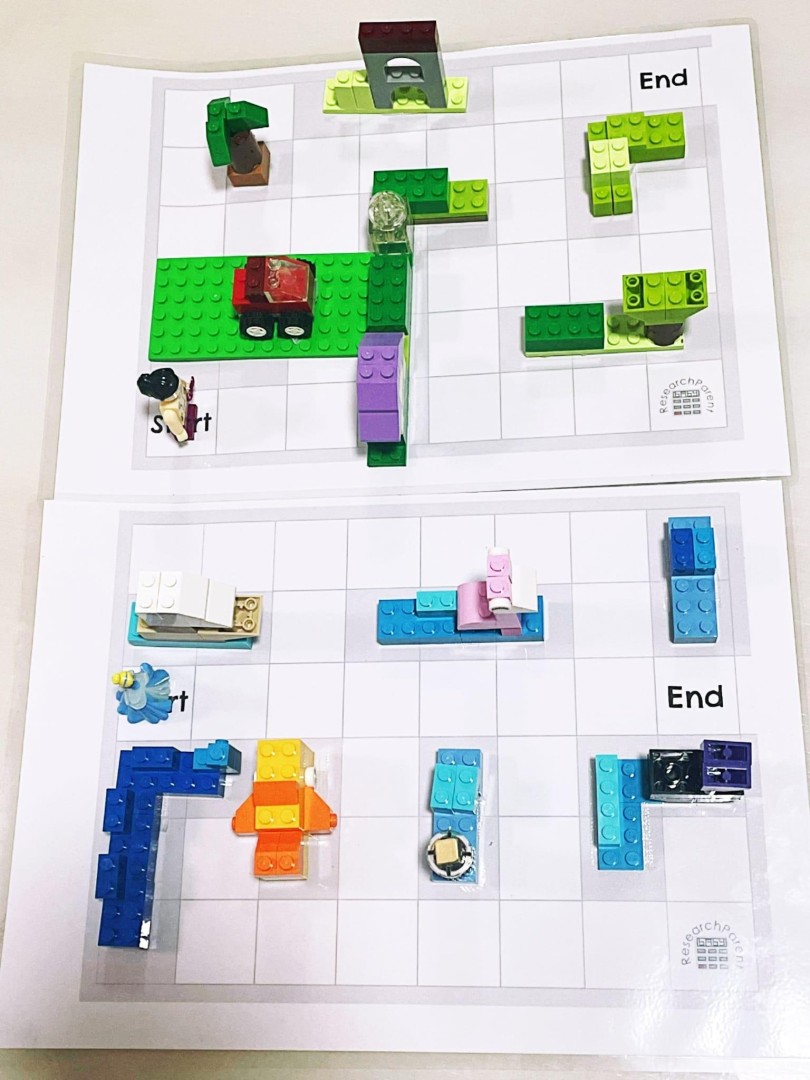
"Before children can code on a screen, they need to understand how to think in steps and communicate clearly," said the founder of Hommeet, Kevy Tan. "Screenless coding allows children to build these foundations naturally, without the distraction or overstimulation that screens can bring, especially at a young age."
Educators involved in the programme note that children are often more engaged, collaborative and confident when learning takes place through movement and interaction rather than devices.
A Blended Approach for Primary School Learners
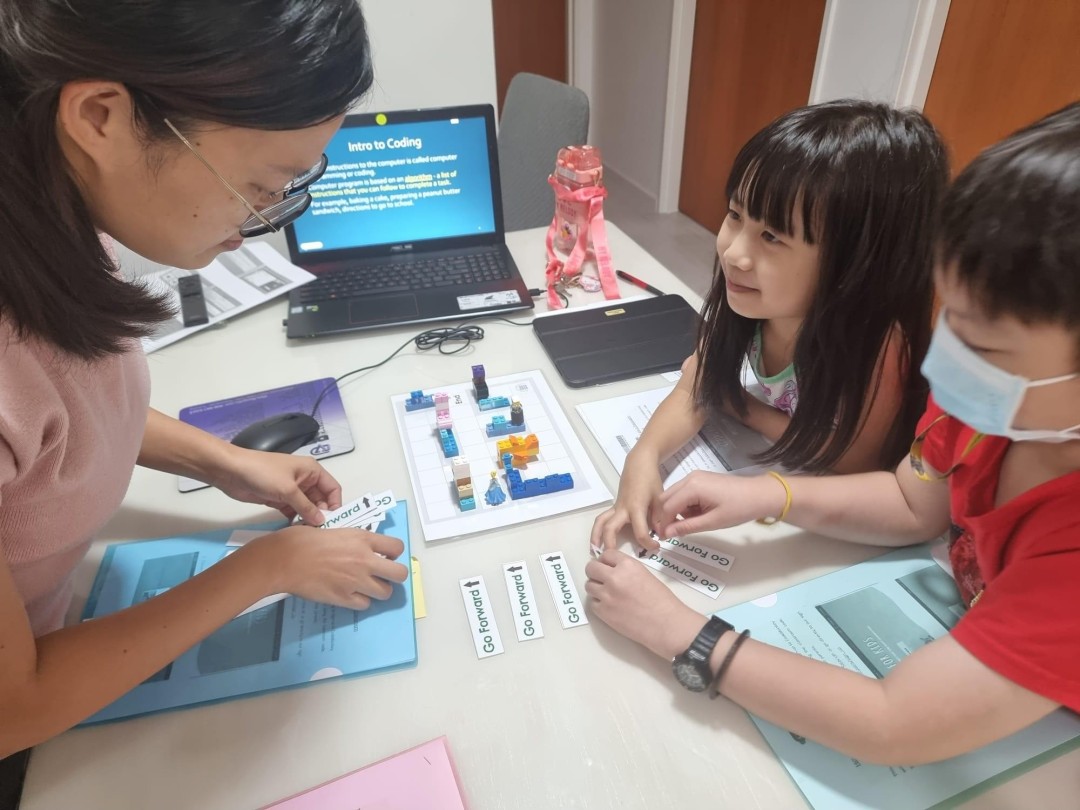
Beyond preschool, Hommeet adopts a blended approach for primary school students, combining screenless coding with guided on-screen programming. This progression allows children to transfer the computational thinking skills developed offline into real coding environments with greater confidence and understanding.
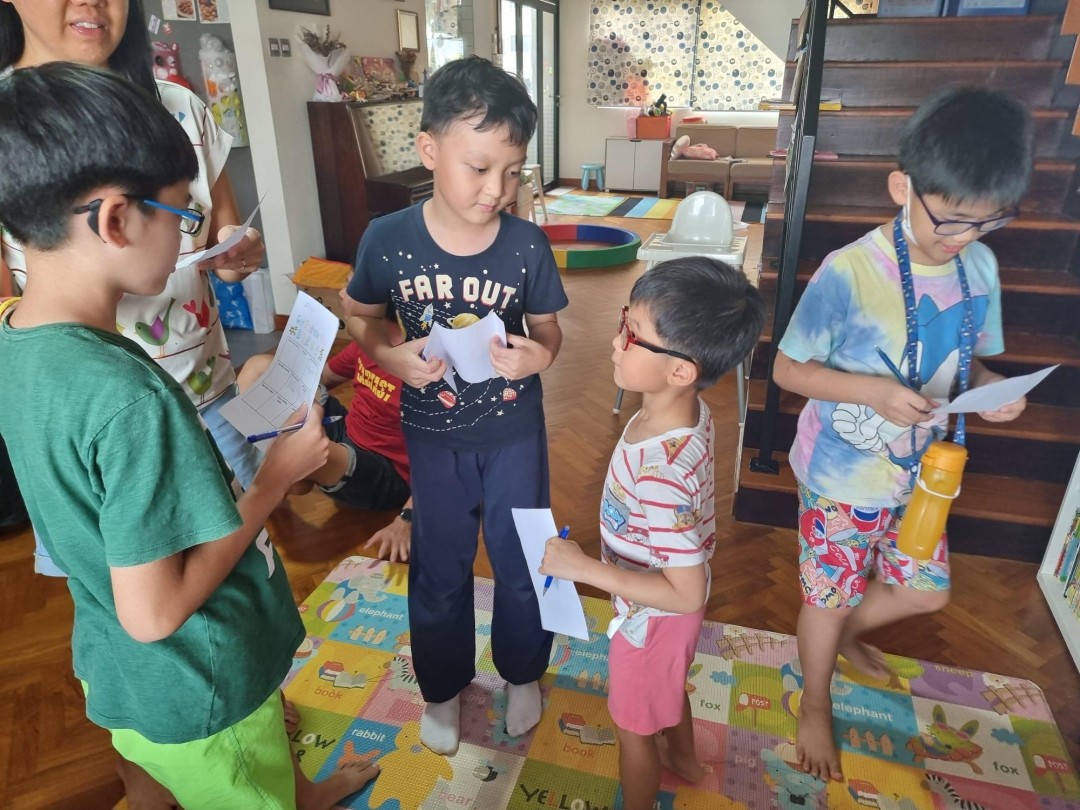
By first mastering concepts such as sequencing and logical flow through physical activities, primary school learners are better prepared to work with actual code. Screens are introduced intentionally, with clear learning objectives rather than passive consumption.
According to educators involved in the programme, this blended model helps children avoid common beginner frustrations, as they already understand why code behaves the way it does.
Rethinking How Children Learn in a Digital Age
Parents who have embraced screenless coding say the difference is noticeable. Children tend to be more engaged, communicate more with peers and show greater confidence when tackling unfamiliar problems. Without screens, learning becomes more social, active and exploratory — qualities many parents feel are increasingly missing from screen-heavy environments.
For many families, the appeal lies in balance. Screenless coding does not reject technology, but delays device dependency until children have developed stronger cognitive foundations. Parents see it as a way to nurture curiosity, creativity and focus, while still preparing their children for a technology-driven future.
This reflects a broader shift in Singapore households, where concerns over digital overstimulation and shortened attention spans coexist with the desire to equip children with future-ready skills. Screenless and blended coding approaches offer a middle ground, aligning with the values many parents place on holistic development, purposeful learning and healthy engagement with technology.
Aligning with Singapore's Education Priorities
Singapore's education system has long emphasised critical thinking, adaptability and lifelong learning. Hommeet's screenless and blended coding approach aligns with these priorities by strengthening logic, communication and collaboration — skills that extend beyond any specific programming language or platform.
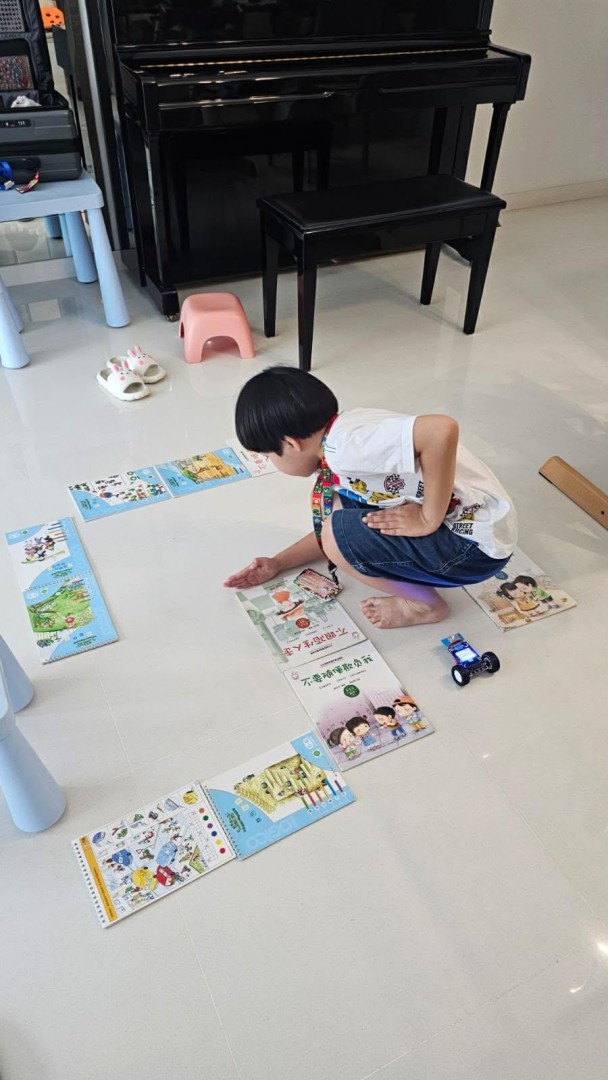
As digital tools continue to evolve, educators agree that foundational thinking skills will remain essential. Approaches that prioritise how children think before what tools they use are gaining increasing attention across early childhood and primary education settings.
Looking Ahead
As technology becomes more embedded in daily life, the debate over children's screen time is unlikely to fade. What is changing is how parents and educators choose to introduce technology to young learners.
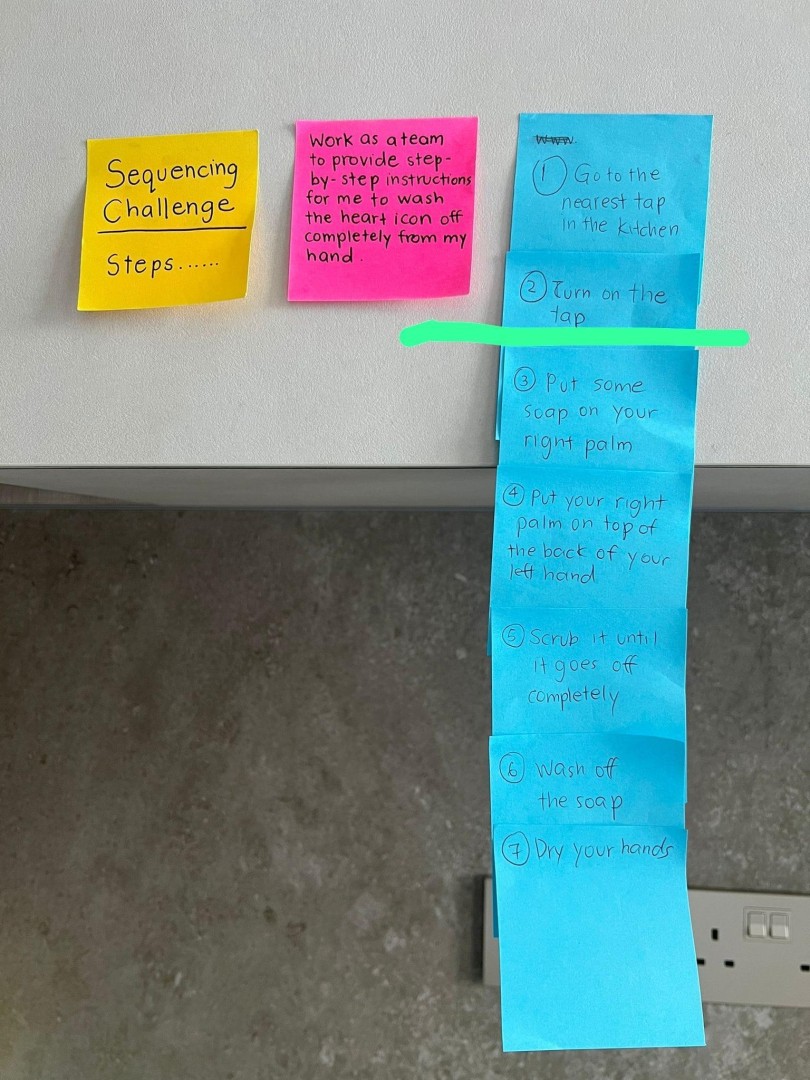
By promoting screenless coding for preschoolers and a purposeful blended approach for primary school students, Hommeet positions itself as part of a growing movement that seeks balance — equipping children with future-ready skills while preserving space for play, interaction and exploration.
Media Contact
Company Name: Alaric Ong Global
Contact Person: Alaric Ong
Email: Send Email
Phone: +65 87861319
Country: Singapore
Website: https://bio.alaricong.com