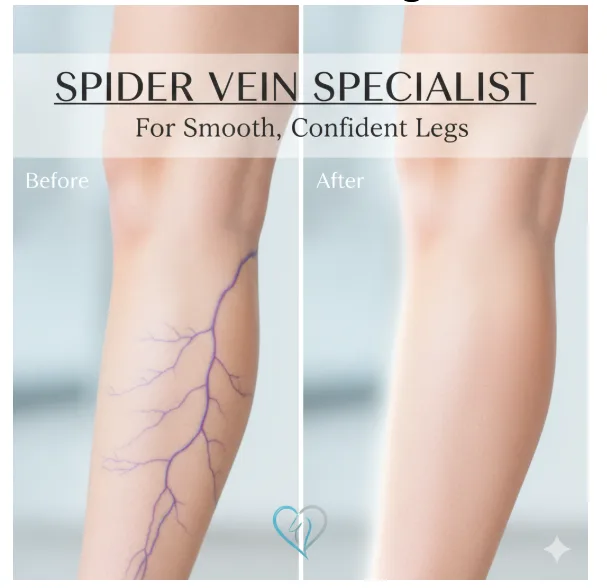
Spider veins, those fine red, blue, or purple lines that web across the calves, thighs, or face, are common and often harmless, but they can undermine confidence and everyday comfort. Consulting a qualified vein doctor near North Scottsdale allows patients to move beyond simply concealing these veins to understanding what’s causing them and how best to treat them. A spider vein specialist uses targeted diagnostic tools to rule out underlying venous issues and applies evidence-based treatments designed to improve appearance while easing symptoms like aching or heaviness. This approach helps patients understand what spider veins are, how treatment is selected, what preparation and recovery involve, and how choosing the right clinician supports lasting, reliable results.
What are Spider Veins?
Spider veins are small, dilated blood vessels located near the skin’s surface that form branching patterns resembling a spider’s web. Unlike larger varicose veins, bulging, and often associated with aching or swelling, spider veins are typically flat and cosmetic in nature, though they can cause itching, burning, or localized discomfort for some people.
Common Causes and Risk Factors
Spider veins occur when tiny valves in superficial veins weaken or fail, allowing blood to pool and vessels to dilate. Contributing factors include:
- Genetics: A family history of vein issues is a strong predictor. If a parent had spider veins, the likelihood increases.
- Hormonal influences: Pregnancy, puberty, and hormonal therapies can affect vein integrity.
- Prolonged standing or sitting: Occupations or habits that keep legs immobile increase venous pressure.
- Sun exposure: Repeated ultraviolet exposure can damage facial capillaries.
- Age: The skin and vein walls lose elasticity with time, making dilatation more likely.
- Weight and lifestyle: Obesity, nicotine use, and poor circulation contribute to development.
Recognizing these risk factors helps a specialist tailor prevention and treatment strategies.
Who is Most Likely to Develop Spider Veins
While spider veins can appear in men and women of any age, they’re more common in adults over 30 and in women, especially after pregnancy or during hormonal shifts. People with sedentary jobs, a history of leg trauma, or chronic venous insufficiency are also at higher risk. A specialist looks at these demographic and lifestyle patterns when evaluating a patient’s prognosis and tailoring a treatment plan.
How Specialists Diagnose Spider Veins
Accurate diagnosis distinguishes cosmetic spider veins from signs of deeper venous disease: a specialist combines clinical assessment with selective imaging to create a safe, effective plan.
Physical Examination and Medical History
A detailed medical history explores symptoms (pain, swelling, itching), family background, pregnancies, prior vein procedures, and medications. The physical exam inspects the distribution and pattern of veins, tests for signs of venous insufficiency, and evaluates the skin for discoloration or ulceration. This face-to-face assessment informs whether treatment should target superficial vessels alone or include deeper pathology.
Treatment Options Explained
A spider vein specialist typically offers a menu of options, ranging from in-office injections to energy-based therapies, chosen based on vein size, location, patient goals, and clinical findings.
Sclerotherapy: Visual and Foam Techniques
Sclerotherapy is the standard for many leg spider veins. A sclerosant solution, most often polidocanol or sodium tetradecyl sulfate, is injected into the affected vessel, irritating the lining and causing the vein to collapse and be reabsorbed. Visual sclerotherapy uses liquid for finer threads: foam sclerotherapy creates a microfoam that can treat slightly larger or reticular veins by displacing blood and increasing contact with the vein wall. Normally done under local anesthesia or none at all, sclerotherapy delivers high clearance rates with minimal downtime.
Laser and Intense Pulsed Light (IPL) Therapies
For facial spider veins or very small vessels, transcutaneous lasers and IPL are effective. These devices deliver light energy absorbed by hemoglobin, heating and sealing the vessel without needles. Laser/IPL is useful when needle access is impractical and for patients who prefer a needle-free approach. Multiple sessions are often required, and skin type/phototype influences both efficacy and risk of pigmentation changes.
Ambulatory Phlebectomy and Other Procedures
When spider veins are connected to larger feeder veins or when small varicose segments are present, ambulatory phlebectomy, with tiny incisions to extract superficial veins, may be indicated. It’s typically combined with other modalities. Endovenous thermal ablation is reserved for deeper refluxing veins, not spider veins specifically, but addressing those sources prevents recurrence of superficial patterns.
Conservative and Preventive Measures (Compression, Lifestyle)
Specialists emphasize prevention: graduated compression stockings reduce venous pressure and symptoms. Weight management, exercise to boost calf muscle pump, leg elevation, and avoiding prolonged immobility are practical measures. While conservative care won’t erase established spider veins, it supports recovery and lowers recurrence risk after procedural treatment.
How to Prepare for Treatment
Preparation improves outcomes and minimizes complications. A specialist provides clear, personalized steps before any intervention.
What to Expect During Your Consultation
The initial visit reviews medical history, allergies, medications, and expectations. The specialist will examine the legs, possibly perform a duplex ultrasound, and present a treatment plan that lists recommended procedures, alternatives, expected number of sessions, and an outline of costs and recovery.
Preprocedure Instructions and Medications to Avoid
Patients are generally advised to stop blood-thinning supplements (like fish oil or vitamin E) and certain medications, aspirin, and some NSAIDs, several days before sclerotherapy, per the specialist’s instruction, to reduce bruising risk. Smoking cessation is recommended to enhance healing. For laser/IPL, sun exposure should be minimized in the weeks before reducing pigmentation complications. Clear, individualized directions help reduce last-minute cancellations and improve satisfaction.
Recovery, Results, and Possible Complications
Results depend on the chosen treatment, the extent of spider veins, and adherence to aftercare. A specialist sets realistic expectations up front.
Typical Recovery Timeline and Aftercare
After sclerotherapy, patients often wear compression stockings for one to three weeks, walk regularly to prevent clots, and avoid vigorous exercise for a short period. Laser/IPL may cause transient swelling and redness, with normal activities resumed quickly. Visible fading of veins usually appears over weeks to months: full clearance can take 6–12 weeks or longer, and multiple sessions may be necessary.
Common Side Effects, Risks, and Warning Signs
Common, transient effects include bruising, mild swelling, and temporary pigmentation. Rare but important complications include matting (new fine vessels), allergic reaction to sclerosant, thrombophlebitis of superficial veins, and, very rarely, deep vein thrombosis. Signs warranting prompt medical attention include increasing pain, significant swelling, shortness of breath, or sudden warmth/redness that suggests infection or clot.
Long-Term Results and Recurrence Prevention
When underlying reflux is treated, and patients adopt preventive measures (compression, activity, weight control), outcomes are long-lasting. But new spider veins may develop over time due to genetic and hormonal factors. Follow-up with a specialist every 12–24 months lets early changes be treated conservatively and prevents later complications.
Choosing the Right Spider Vein Specialist
Selecting a clinician affects safety, effectiveness, and overall experience. A thoughtful choice balances qualifications, approach, and practical concerns.
Qualifications, Experience, and Treatment Approach
A specialist may be a board-certified dermatologist, vascular surgeon, or phlebologist with focused training in venous disease. Experience with the specific procedures offered, sclerotherapy, laser/IPL, phlebectomy, and a track record of outcomes and before/after photos are valuable. A conservative, evidence-based approach that prioritizes duplex assessment when indicated signals good clinical judgment.
Questions to Ask During Your Appointment
Helpful questions include:
- What training do you have in vein treatments?
- Will an ultrasound be performed before treatment?
- What outcomes can I realistically expect and how many sessions will I need?
- What are the risks and how do you manage complications?
- Can I see patient testimonials or before-and-after photos?
A specialist who answers clearly and provides a written plan demonstrates professionalism and respect for patient autonomy.
Cost, Insurance, and Financing Considerations
Because many spider vein treatments are cosmetic, insurance may not cover them unless there’s documented symptomatic venous disease. Specialists should provide transparent pricing, package options for multiple sessions, and information on financing if available. Patients should weigh cost against provider expertise and the likelihood of achieving durable improvement.
Conclusion
A spider vein specialist for smooth, confident legs blends careful diagnosis, appropriate use of sclerotherapy and energy-based tools, and prevention-focused aftercare to deliver natural-looking results with low downtime. For professionals juggling busy careers, digital marketers, agency owners, or entrepreneurs, selecting an experienced clinician who offers clear expectations and efficient, evidence-based care makes it possible to regain confidence without disrupting work. When researching options, patients should prioritize qualification, transparent planning, and follow-up care, much like choosing a trusted partner in business, where expertise, proven results, and open communication create the best outcomes.