SAVANNAH, GA / ACCESS Newswire / January 15, 2026 / Denise Kvapil, MSN, RN, a veteran healthcare executive and former Chief Nursing Officer and Chief Operating Officer, is calling for a renewed national focus on nurse leadership as a critical driver of patient safety, workforce retention, and sustainable healthcare performance.
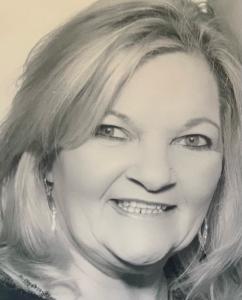
With decades of experience leading emergency departments, critical care units, and complex hospital operations, Kvapil asserts that many of today's safety challenges stem not from a lack of technology or clinical skill, but from leadership gaps that place untenable pressure on frontline teams.
"Patient safety begins with leadership," Kvapil said. "When leaders are clear, present, and accountable, teams perform at a higher level and patients experience safer, more reliable care."
A Workforce and Safety Imperative
The urgency is clear. The U.S. Bureau of Labor Statistics reports more than 190,000 nursing positions open annually, largely due to burnout and turnover. At the same time, the CDC notes that hospital‑acquired infections impact 1 in 31 hospitalized patients each day-many of which are preventable with stronger systems, staffing, and leadership practices.
Throughout her career, Kvapil has led initiatives that reduced emergency department wait times, lowered infection rates, and improved patient safety outcomes through operational redesign and leadership accountability.
"I've seen repeatedly that strong leadership reduces errors," she said. "It's not about pushing teams harder. It's about setting realistic expectations and building the structure that allows people to succeed."
Leadership as a Daily Discipline
Kvapil emphasizes that leadership is not defined by title but by behavior.
"Leadership shows up in how you communicate, how you respond under pressure, and how you support the people beside you," she said. "Titles don't create culture. Daily actions do."
Her leadership philosophy is shaped by her early career in emergency and critical care-where decisions must be swift and precise-and by her service in the United States Marine Corps, where discipline, accountability, and ownership were foundational.
"Emergency care taught me to stay calm and focused," Kvapil said. "The Marine Corps taught me that leadership means owning the outcome, even when it's difficult."
Mentorship as a Safety Strategy
Kvapil highlights mentorship as an underutilized but powerful lever for patient safety. Research from the National Council of State Boards of Nursing shows structured mentorship can reduce new‑nurse turnover by up to 25 percent.
Across her career, she has mentored nurses from entry‑level roles into leadership and critical care positions. One of her most notable mentorship stories involves guiding a single mother working multiple jobs into nursing school-an individual who later became a critical care nurse.
"When you invest in people, you strengthen patient care," Kvapil said. "Mentorship isn't optional. It's a safety strategy."
Practical Actions Leaders Can Take Today
Kvapil encourages healthcare professionals at every level to take ownership of safety and leadership through simple, actionable habits:
Set clear personal standards. Define what safe care looks like in your role.
Speak up early. Small concerns escalate when ignored.
Support new nurses. Be accessible, steady, and encouraging.
Protect balance. Fatigue is a safety risk; rest is a professional responsibility.
Hold yourself accountable. Seek feedback and act on it.
"Everyone has influence," she said. "You don't need permission to lead with integrity."
A Call to Personal Responsibility
Kvapil's message is grounded in personal responsibility, professional discipline, and a belief that meaningful change begins with individual leaders.
"Healthcare will always be complex," she said. "But when leaders prioritize people, clarity, and accountability, outcomes improve. Patients feel it. Teams feel it."
To read the full interview, visit the website here.
About Denise Kvapil
Denise Kvapil, MSN, RN, is a seasoned healthcare executive with more than 15 years of senior leadership experience, including service as Chief Nursing Officer and Chief Operating Officer. She has led emergency, critical care, and hospital operations teams across multiple states, with a focus on patient safety, nurse development, and operational excellence. Based in Savannah, Georgia, she continues to advocate for leadership practices that strengthen patient outcomes and elevate the nursing profession.
Contact:
SOURCE: Denise Kvapil
View the original press release on ACCESS Newswire