Living in a small space doesn’t mean you have to settle for an uncomfortable or awkward-looking couch. In apartments, studios, and condos, every inch matters, and the wrong sofa can quickly make a room feel crowded or hard to move around. Common challenges include tight layouts, narrow doorways, limited seating options, and the need for furniture that works for more than one purpose. That’s why choosing the right couch for a small space requires a smarter approach. This guide breaks down what actually works in compact homes, from space-saving designs to versatile styles, helping you find a couch that fits your room, your lifestyle, and your daily comfort needs.
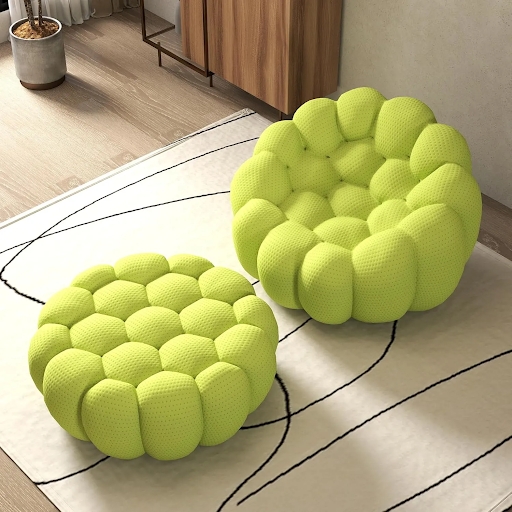
What Makes a Couch Good for Small Spaces?
Choosing a couch for a small room isn’t just about picking a shorter sofa. The right design balances size, comfort, and flexibility so the space feels open while still being practical for everyday use.
Compact Dimensions That Still Feel Comfortable
For small spaces, a sofa length between 60 and 80 inches usually works best, offering enough seating without overwhelming the room. Depth is just as important. A seat depth around 20–23 inches allows you to sit comfortably without forcing the couch too far into the room. Lower seat heights can also help create a more open look, especially in apartments with lower ceilings. In compact homes, seat depth often matters more than width because overly deep cushions reduce walking space and make rooms feel tighter.
Visual Lightness and Space Perception
How a couch looks can affect how large a room feels. Low-profile designs keep sightlines open and prevent furniture from visually cutting the room in half. Sofas with slim arms take up less space and provide more usable seating than wide, padded arms. Raised legs allow light to pass underneath, making the room feel airier, while floor-hugging sofas tend to look heavier and can visually shrink a small space.
Multi-Functional Design
In small homes, furniture often needs to do more than one job. Storage sofas help hide blankets, pillows, or seasonal items without adding extra cabinets. Sleeper sofas are ideal for apartments or condos that double as guest spaces, offering a bed without dedicating a full room. Modular and reconfigurable couches provide even more flexibility, allowing you to change layouts, add pieces later, or adapt the sofa as your living situation changes.
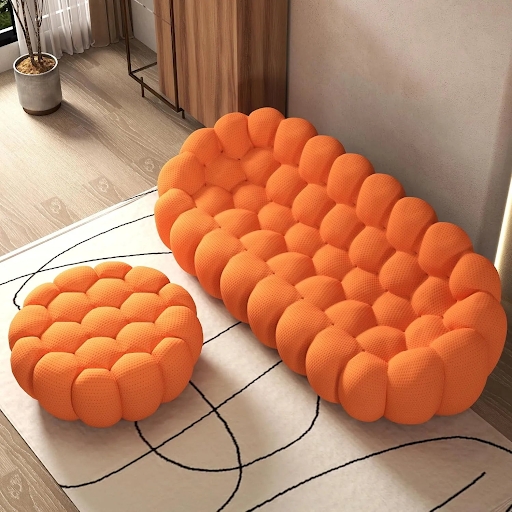
Best Types of Couches for Small Spaces
Not every couch works well in a compact room. Certain sofa types are designed to solve common small-space problems like limited floor area, narrow walkways, and multi-use living zones.
Apartment Sofas
Apartment sofas are built specifically for tight layouts. They usually feature shorter lengths, shallower seat depths, and slimmer profiles, making them easier to fit into small living rooms or studios. The main advantage is scale—they look proportional in compact spaces and are easier to move through doorways and hallways. The trade-off is seating capacity, as they typically accommodate fewer people than standard sofas.
Loveseats
Loveseats are ideal for solo living or couples who don’t need a lot of seating. With a width often under 65 inches, they fit comfortably in small rooms without dominating the space. A loveseat can be a better choice than a full sofa when the room also needs space for a desk, dining area, or storage. The downside is limited seating if you frequently host guests.
Modular Sofas
Modular sofas work especially well in small spaces because of their flexibility. Individual sections are easier to move and can be arranged to fit awkward layouts or corners. Many modular designs also allow you to start small and add pieces later, which works well if your space or needs change over time. However, the overall footprint can grow quickly if too many modules are added.
Sleeper Sofas for Small Spaces
Sleeper sofas are a smart option for apartments and condos that double as guest spaces. In small rooms, pull-out or click-clack mechanisms usually take up less floor space than traditional sleepers. A full-size sleeper often fits better in apartments, while a queen sleeper may feel tight unless the room is carefully measured. Comfort and ease of use are key factors when choosing a sleeper for a compact area.
Armless and Boneless Couches
Armless and boneless couches offer a relaxed, flexible seating style that works well in modern or casual interiors. Without bulky arms or rigid frames, these sofas can be repositioned easily and adjusted to different layouts. They are ideal for lounging and informal seating but may not provide the structured support some people prefer for long sitting sessions.
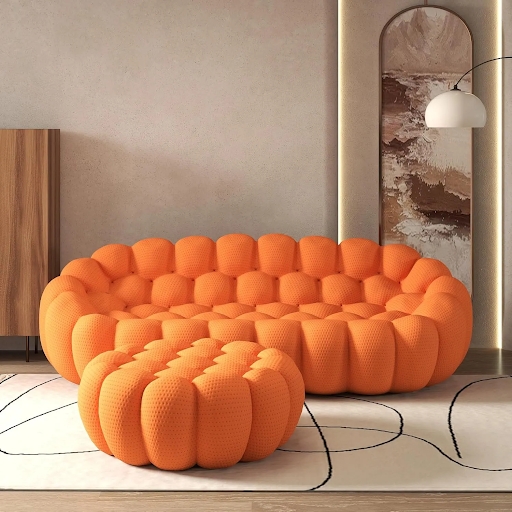
Best Couch Styles for Different Small Spaces
Different small spaces come with different challenges. The best couch style depends on how the room is used, how often it needs to change functions, and how much walking space you need to keep open.
Best Couches for Studio Apartments
In a studio apartment, the couch often plays multiple roles throughout the day. It may serve as seating, a lounging area, and sometimes even a bed. Compact sofas with clean lines work best because they help define the living zone without overpowering the space. Sleeper sofas, modular couches, and armless designs are popular choices for studios since they adapt easily from day to night. Easy-to-move cushions and simple mechanisms make daily transitions more practical.
Best Couches for Small Living Rooms
Small living rooms usually need a balance between comfortable seating and clear walking paths. Sofas with slim arms, moderate seat depth, and raised legs help keep the room feeling open. Straight sofas or small sectionals can work well if they are scaled correctly. Placing seating against walls or corners helps maximize usable floor space while still allowing enough room to move comfortably around the furniture.
Best Couches for Small Bedrooms or Guest RoomsIn bedrooms or guest rooms, versatility is key. Compact sleeper sofas and daybeds provide seating during the day and sleeping space at night without taking up too much room. Designs with simple pull-out or fold-down mechanisms are easier to use in tight spaces. Choosing a couch with a smaller footprint allows the room to remain functional for daily use while still being ready for overnight guests.
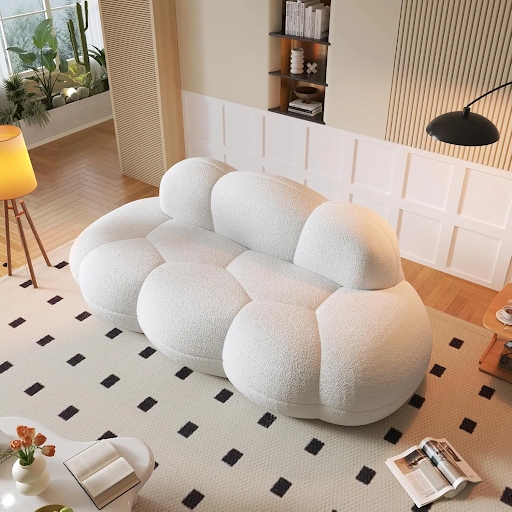
Best Couch Shapes That Save Space
Choosing the right couch shape can make a big difference in a small room. The shape affects seating capacity, traffic flow, and how open your space feels.
Straight vs. L-Shaped Sofas
Straight sofas are often the simplest choice for small rooms because they fit neatly against walls and don’t crowd corners. However, a small L-shaped sectional can sometimes work better if you need more seating without adding another chair. L-shaped sofas are especially useful for dividing open-plan spaces or creating a cozy conversation area in tight living rooms, as long as the layout doesn’t block walkways.
Corner Sofas for Small Rooms
Corner sofas make efficient use of underutilized corners, turning them into functional seating zones. When placed correctly, they maximize seating while freeing up central floor space. In small rooms, it’s important to measure the corner area first and choose a sofa with a shallow depth so the couch doesn’t overwhelm the room.
Chaise Sofas in Tight Spaces
Chaise sofas combine seating and lounging in a compact footprint. Choosing the right side for the chaise is key: place it on the side that keeps traffic flow clear and doesn’t block doors or pathways. In small spaces, shorter chaise lengths help maintain open areas while still providing a comfortable lounging spot.
Materials and Fabrics That Work Best in Small Homes
The material and color of your couch can significantly influence both its durability and how spacious your room feels. Choosing the right fabrics and finishes ensures comfort, easy maintenance, and a visually lighter environment.
Performance Fabrics for High Use
In small homes, couches are often used constantly and may face spills, pets, or heavy wear. Performance fabrics like microfiber, polyester blends, and treated cotton resist stains, clean easily, and maintain their shape over time. These fabrics are ideal for apartments or studios where the sofa doubles as a main seating area.
Leather vs. Fabric in Small Rooms
Leather couches tend to look sleek and reflect light, helping small rooms feel more open. They are easy to wipe clean but can show scratches and temperature changes more than fabric. Fabric sofas offer softness and warmth, but darker or heavy textures can make a compact space feel crowded. Choosing the right material depends on your lifestyle and the overall aesthetic of your room.
Light vs. Dark Colors
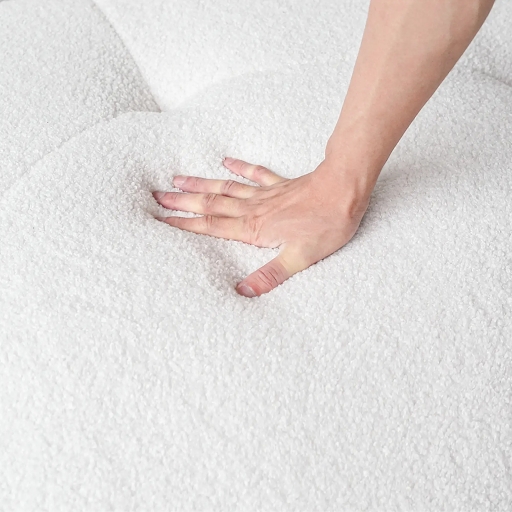
Color plays a key role in how spacious a room feels. Light-colored sofas—like creams, soft grays, or pastels—tend to make rooms appear larger and airier. Dark colors can add elegance and hide stains but may make a small space feel heavier. For small rooms, balancing a darker couch with lighter walls or accessories can maintain a sense of openness.
Common Mistakes to Avoid When Buying a Couch for Small Spaces
Buying a couch for a small room requires more than picking a style you like. Avoiding common mistakes ensures your furniture fits, functions, and keeps the space feeling open.
-
Oversized Arms and Deep Seats: Wide arms and overly deep cushions can make a small room feel cramped. Opt for slim arms and moderate seat depths to maximize usable space and maintain comfort.
-
Ignoring Door and Stair Measurements: A beautiful couch is useless if it can’t fit through your doorway, hallway, or stairwell. Always measure all entry points and compare them with the sofa’s dimensions before ordering.
-
Choosing Style Over Functionality: It’s easy to pick a couch based on looks alone, but in a small space, practical features like multi-functionality, modularity, or storage options often matter more than design. Balance aesthetics with usability for the best result.
Best Couches for Small Spaces
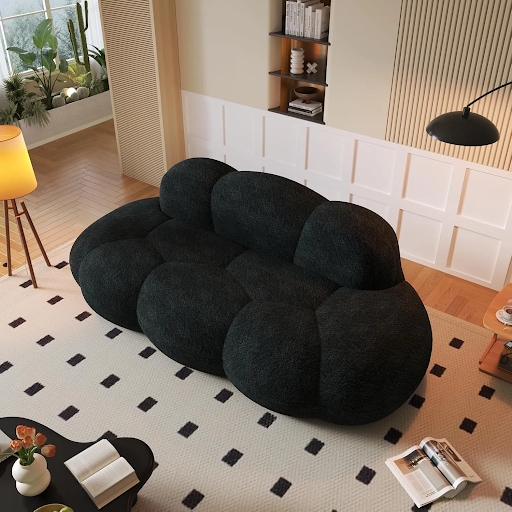
Signature Cloud Black 3-Seater Sofa
This black couch is very soft and feels just like a giant teddy bear. It has a fun shape that looks like a fluffy cloud in the sky. Because it is "boneless," it has no hard parts or sharp edges inside. This means kids can play on it and stay very safe from bumps. It is also very deep, which makes it a perfect spot to take a long nap.
-
Price: $399.99 after a big 60% discount.
-
Pros: It is safe for children, feels very warm, and has a bottom that does not slide.
-
Specification: "Whimsical Sculptural Design: Inspired by 1950s Italian elegance with playful, cloud-like curves".
-
Review: One person likes that the black color does not show dirt easily.
-
Suitable User Type: This is best for families with active kids and people who love to lounge.
Signature Armless Grey Sofa Set
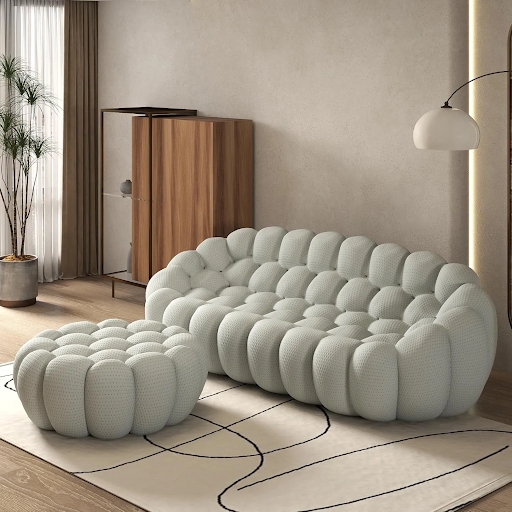
This grey sofa set is shaped like pretty waves in the blue ocean. It comes with a matching stool so you can put your feet up and relax. The fabric is special because it lets air move through to keep you cool and comfy. You can move the pieces around to make the sofa fit your room however you like. It is very large, so your whole family can sit together for story time.
-
Price: $1,099.99 after a huge 62% discount.
-
Pros: It stays cool, has very deep seats, and the soft corners keep everyone safe.
-
Specification: "Unique Organic Design: Inspired by the ocean with upward curves".
-
Review: A mom loves that her kids can pile on the deep seats for family time.
Suitable User Type: This is perfect for large families and homes with pets.
Are Small Couches Comfortable Long-Term?
Small couches can be just as comfortable as larger ones if you pay attention to construction and support. Cushion density and firmness play a major role in long-term comfort—look for high-density foam or memory foam options that maintain their shape over time.
Small couches are often best for singles, couples, or smaller families who don’t require a large seating area for frequent entertaining. For larger households, additional chairs or modular pieces can complement a compact sofa.
It’s important to have realistic comfort expectations. Small couches may offer less deep lounging space than full-size sofas, so consider how you typically use your seating—whether for TV watching, reading, or hosting guests—before making a choice.
Final Thoughts
Finding the perfect couch for a small space means balancing lifestyle, space, and comfort. The “best” sofa isn’t always the biggest or most luxurious—it’s the one that fits your room, meets your daily needs, and enhances your living environment.
Sdorens Home offer compact, well-designed sofas that combine comfort, style, and smart space usage, making them a reliable choice for apartments, studios, and condos. When shopping for a small-space couch, focus on fit, functionality, and flexibility rather than just style or size—you’ll end up with a sofa that feels perfect in your home.
Media Contact
Company Name: Atunus home
Contact Person: Jerry
Email: Send Email
Phone: 650-484-9000
Country: United States
Website: https://atunushome.com/