In an era defined by speed and convenience, the materials used in our built environments often follow suit: synthetic, short-lived, and increasingly divorced from the architectural traditions that once grounded our spaces. But a quiet shift is underway. Among architects, designers, and discerning homeowners, there is a growing interest in returning to tactile, timeless materials that age with grace, tell a story, and anchor a home in authenticity.
One example of this shift is seen in brands that continue to prioritize craftsmanship and lasting materials. Rocky Mountain Hardware is among those producing solid bronze architectural elements using traditional methods and natural materials.
This renewed appreciation for material honesty is not a design trend. It is a response to the fatigue of fast design. With more people living and working in the same space, the desire for permanence and integrity in our surroundings has become more than aesthetic. It has become emotional. Our homes have become our workplaces, sanctuaries, and creative spaces. The materials that surround us now must support a broader spectrum of daily life.
Material Integrity and Architectural Intent
When an architect selects a material, they are shaping more than form. They are influencing how the space will feel, age, and function. Whether that choice is wood, stone, or bronze, the message is clear: this was made to last.
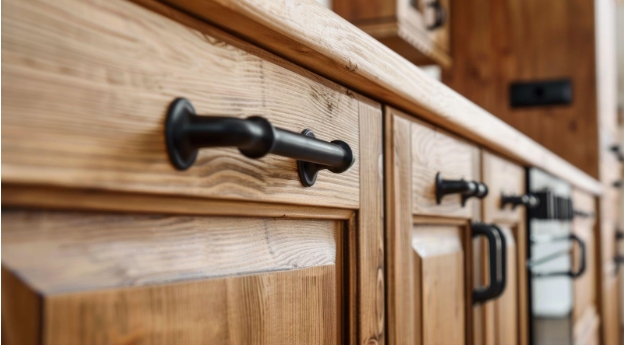
Material honesty is the opposite of substitution. It rejects veneers that mimic other materials or finishes that conceal their origins. In residential construction, where mass production can often dilute the original design intent, a commitment to genuine materials stands out. A solid bronze door lever or cabinet knob does not pretend to be anything else. It announces itself through weight, texture, and tone.
These decisions are small in size but significant in effect. Over time, materials like bronze develop a patina unique to their environment and use. They become part of the home’s evolving character. For architects, this is an opportunity to extend the story of a space long after the plans are complete.
Genuine materials also contribute to the acoustic and thermal qualities of a space. Stone retains and radiates warmth. Wood can soften sound. Bronze adds tactile richness. Each plays a functional role beyond aesthetics.
The Value of Craftsmanship in a Digital World
Craft still holds meaning, even in a world increasingly influenced by algorithmic design and modular solutions. While technology has advanced what is possible in architecture and fabrication, it has not replaced the tactile intelligence that comes from human hands.
In this context, handcrafted architectural hardware becomes more than functional. It becomes a statement. Brands that continue to cast, finish, and inspect their products by hand carry forward a lineage of American manufacturing rooted in patience and pride.
Crafted pieces resonate with people who value provenance and process. They want to know where something came from and how it was made. They are drawn to materials and objects that reflect care, precision, and time. In a world full of mass-produced options, the presence of a handcrafted detail offers a counterpoint, a moment of authenticity.
Sustainability Beyond the Label
While many building materials today are branded as sustainable, true sustainability lies in durability. A material that performs well for generations, requires minimal replacement, and can be recycled or reclaimed holds more long-term value than a low-cost product with a short life span.
Bronze, for example, can be repeatedly recycled without degradation. It resists corrosion, maintains structural integrity, and requires no coating to perform. These properties make it ideal for architectural applications where longevity and low maintenance are priorities.
Specifying enduring materials is also a form of respect for the building, its users, and the environment. It reduces waste, supports legacy manufacturing practices, and honors the idea that design should serve people for more than a moment.
The focus on short-term efficiency in construction often overlooks the environmental cost of replacement cycles. Materials that must be swapped out every 5 or 10 years due to wear or style obsolescence contribute to waste and increased energy use. Choosing materials like bronze represents a more mindful approach, aligning sustainability with quality.
Cultural Memory and Design Permanence
Material honesty connects modern architecture to cultural memory. It reminds us that buildings are not disposable. They hold stories, histories, and values that are passed from one generation to the next.
When a home incorporates genuine materials, it can age with dignity. Scratches on bronze, weathering of natural stone, and the softening of wood are not flaws. They are evidence of life, markers of presence. They signal that the home is occupied, not merely viewed.
Designers and builders who embrace this ethos are not chasing novelty. They are curating spaces that hold up over time, not only structurally, but emotionally. They are helping shape homes that feel grounded, quiet, and real.
Genuine materials also act as connectors across time. They bring past craftsmanship into present spaces and help carry current projects into future appreciation. Their textures and tones grow richer with age, contributing to a layered, human sense of place.
Designing with Legacy in Mind
American homebuilding is at a crossroads. One path leads toward speed, standardization, and surface-level design. The other moves toward longevity, craftsmanship, and material truth. The latter may not be fast or flashy, but it is deeply human.
Material honesty matters because homes are more than shelter. They are settings for memory, identity, and continuity. By choosing materials that reflect this significance, architects and homeowners alike can ensure that their designs are not only built, but believed in.
The legacy of a well-built home is not only seen in its architecture but also felt in its materials. When those materials are selected with intention and allowed to tell their story, they enrich daily life in ways that extend beyond aesthetics. They become part of the personal and cultural fabric of the spaces we inhabit.
In this way, material honesty becomes a quiet but powerful design philosophy, one that respects both people and place, now and for generations to come.
Media Information:
Company Name:Rocky Mountain Hardware
Media Contact:Rocky Mountain Hardware
Email ID:info@rockymountainhardware.com
‘Website:rockymountainhardware.com
Country:United States
Media Contact
Company Name: Rocky Mountain Hardware
Email: Send Email
Country: United States
Website: rockymountainhardware.com